 Business License

How to do? Teflon plastic injection mold factory meet PTFE
What is the difference between soluble polytetrafluoroethylene (PFA) and polytetrafluoroethylene (PTFE) for teflon plastic injection mold factory?
Soluble polytetrafluoroethylene (PFA) is soluble polytetrafluoroethylene. The material is sintered at high temperature and has fluidity. Teflon plastic injection mold factory is mainly used for injection molding chemical parts, and the operating temperature is generally within 220.
Polytetrafluoroethylene (PTFE) material is sintered at high temperature and has no fluidity. It is not produced by OEM teflon plastic injection mold process. It is generally produced by molding or pushing. It is mainly used for chemical or mechanical parts. The operating temperature is -180 260 The temperature of modified PTFE can be close to 280 degrees.
The first is the difference in chemical structure:
PFA has added a perfluoroalkoxy group, which is equivalent to the replacement of a fluorine atom in PTFE by a perfluoroalkoxy group. A carbon is directly attached to an oxygen, and then the oxygen is attached to a group such as perfluoromethyl or perfluoroethyl. Compared with PTFE, the reduced melt viscosity facilitates processing. The rest of the properties are not much worse than PTFE.
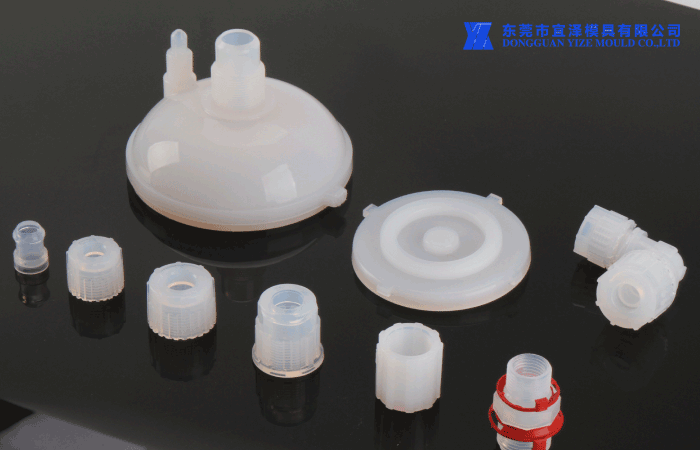
The second is the difference in application for teflon plastic injection mold factory: PFA--has the same various excellent properties as polytetrafluoroethylene, and has good thermoplasticity, and can be processed by ordinary thermoplastic resin processing methods. It is prepared by copolymerization of tetrafluoroethylene and perfluoropropyl vinyl ether in a certain proportion in an aqueous medium containing a perfluorocarboxylate dispersant and a persulfate initiator. It appears as white and translucent particles.
Not only has the same service temperature as PTFE, but also has better mechanical strength (about 2 to 3 times) at 250 ° C, and has excellent stress crack resistance. It has a wide processing range and good molding performance, and is suitable for molding processes such as compression molding, extrusion molding, injection molding, and transfer molding. Corrosion-resistant linings for wire and cable insulation sheaths, high-frequency and ultra-high-frequency insulation parts, chemical pipelines, valves and pumps; special parts for machinery industry, various anti-corrosion materials for light and textile industries, and polytetrafluoroethylene anti-corrosion linings Wait for the welding rod.
Extruded from meltable polytetrafluoroethylene pellets, the appearance is translucent and milky white, the surface is smooth, and the cross-section is dense and uniform. It is specially used for the welding of PTFE plates and tubes, so that PTFE products with simple shapes can be welded into parts with complex shapes and large sizes.
The aqueous dispersion is obtained by adding an emulsifier to the copolymer obtained by the copolymerization reaction of tetrafluoroethylene and perfluoropropyl vinyl ether, and concentrating at a certain temperature. The solid content is 30%±1%. The appearance is milky white or light yellow translucent. It has various excellent properties of meltable polytetrafluoroethylene resin. It can be used for a long time at 260°C, and has been developed into an advanced coating with its excellent anti-sticking, anti-corrosion and easy-processing properties. It can be sprayed and dipped. It is widely used in copying technology and food industry as anti-sticking and anti-corrosion materials.
PTFE-polytetrafluoroethylene is made by polymerization of tetrafluoroethylene monomer by suspension method or dispersion method. Molecular weight = 5.2×10⁵-4.5×10⁷. White powder, 75% of 400 mesh, tasteless, non-beautiful, non-toxic. The relative density is 2.1-2.3, the refractive index is 1.37, the glass transition temperature is 327°C, and the thermal decomposition temperature is 415°C. When it is above 400 ℃, there is a slight weight loss and toxic gas is decomposed.
The service temperature is -250~260 ℃, and it can be used for 10000 hours at 210 ℃. Excellent chemical corrosion resistance, resistant to any strong acid (including aqua regia), strong alkali, grease, insoluble in any solvent, extremely low friction coefficient, good wear resistance, and self-lubricating. Excellent aging resistance. Excellent electrical properties, good arc resistance. It is non-sticky, almost all sticky substances cannot adhere to its surface, and it is completely non-flammable. Known as the "King of Plastics". Tensile strength (MPa)>23 elongation (%)>250.
Again, the difference in processing methods: The main difference in processing methods is that PFA can be processed by hot-melt injection molding, while PTFE cannot be processed by hot-melt injection molding.
https://www.yizemould.com/newsdetail-927.html
Recently Posted
-
ABS 30% anti-static thermoplastics injection molding
May 4, 2023Case Study: Co-Molding 5 Products with One Set for ABS 30% anti-static thermoplastics injection moldingIntroduction:Our client required the production of five different ABS 30% anti-static thermoplastics injection molding, all to be co-molded using only one set of molds. The parts needed to meet specific surface quality requirements, with different areas designated as either A-Level or B-Level surfaces.A-Level Surface ReRead More -
Solenoid valve housings made of PBT 30% Engineering Plastics injection molding
May 4, 2023Case study of a problem that manufactures solenoid valve housings made of PBT 30% Engineering Plastics injection molding.The company found the following problems in the PBT 30% Engineering Plastics injection molding:1. The red circle has burrs, with a step difference of about 0.05;2. The appearance of the red circle is uneven and the knife lines are serious;3. The red circle has fiber marks and serious air trapping. ThisRead More -
Case study Amphenol with LCP E130i Thermoplastics Precision Molded V-0 Material
May 4, 2023Introduction: Amphenol is a leading manufacturer of high-quality electronic connectors and interconnects systems. When Amphenol approached us to produce molded parts for their products using LCP E130i Thermoplastics Precision Molded V-0 material, we knew we had a challenging task ahead of us. This material is known for its high strength and excellent flame retardant properties, but it also has specific requirementsRead More -
About SMT high precision connector injection
February 6, 2023With the development of technology, many objects are now becoming lighter, smaller, and smarter, because they are easy to carry and easy to use, and the connector industry is no exception. Under the current trend of smaller and smaller connectors, it also poses a huge challenge to the material of the connector. Under this trend, high-temperature nylon and LCP emerged as the times require, and they shine in the field of SRead More

Contact Us
Recommended Products
-
 Teflon™ PFA 440HPB Teflon Plastic Injection Mold Mould Beaded Connector FactoryUS$ 50 - 210MOQ: 1 Pair
 -
Teflon™ PFA 440HPB Teflon Plastic Injection Mold Mould 4-layer Sealed Structure FactoryUS$ 50 - 210MOQ: 1 Pair
-
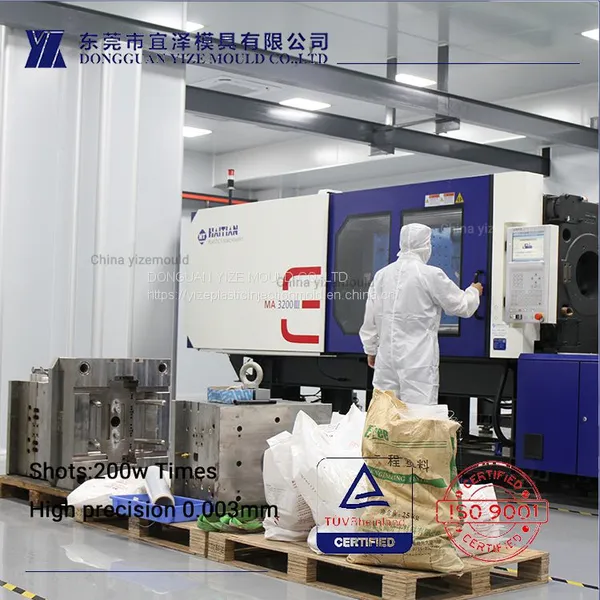
Teflon™ PFA 440HPB Teflon Plastic Injection Mold Mould Produced in a 100,000-class Clean RoomUS$ 50 - 210MOQ: 1 Pair
-
Teflon™ PFA 440HPB Teflon Plastic Injection Mold Mould Japanese Daikin 211SH High-purity Raw MaterialsUS$ 50 - 210MOQ: 1 Pair
-
Teflon™ PFA 440HPB Teflon Plastic Injection Mold Mould Plating FactoryUS$ 50 - 210MOQ: 1 Pair
-
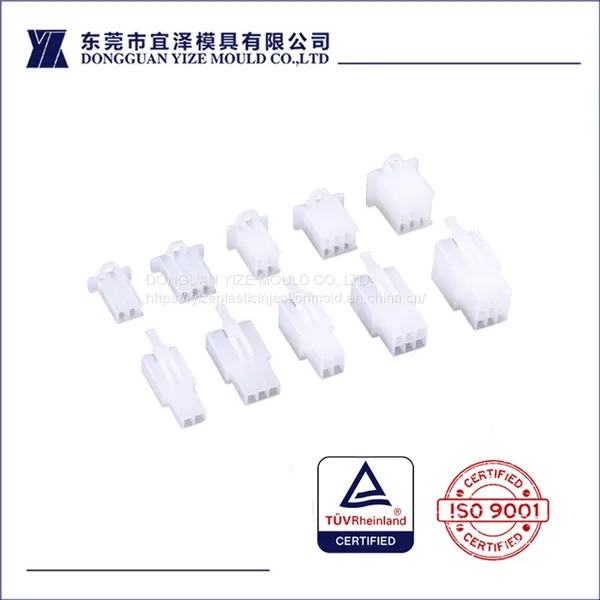
Sumitomo Fiber Optic Connector Mould Electrical Connectors for SaleUS$ 50 - 210MOQ: 1 Pair
-
Electric Wire Sumitomo Small Waterproof Connector Mould SupplierUS$ 50 - 210MOQ: 1 Pair
-
High-Frequency Sumitomo Industrial Connector Mould SupplierUS$ 50 - 210MOQ: 1 Pair
-
High-Frequency Sumitomo Mechanical Connector Mould SupplierUS$ 50 - 210MOQ: 1 Pair
-
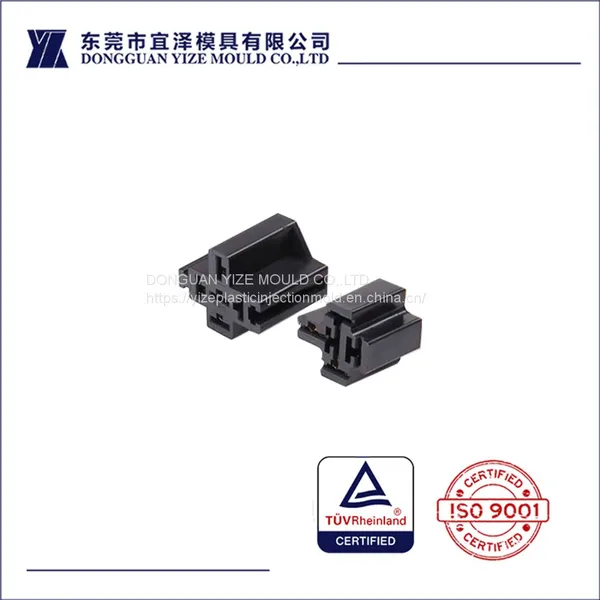
Dummy Plugs Sumitomo Electric Industries Connector Mould SupplierUS$ 50 - 210MOQ: 1 Pair
-
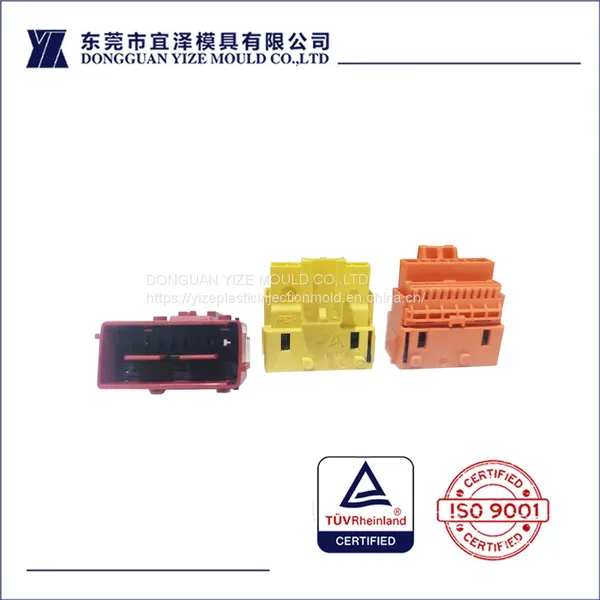
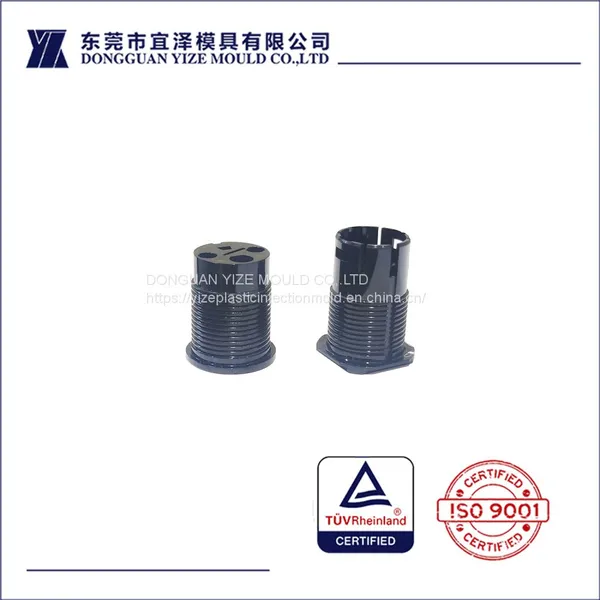
Sumitomo Electric Pa66 Gf35 Connector Mould Device SupplierUS$ 50 - 210MOQ: 1 Pair
-
Sumitomo Technologies Pa66 Gf35 Connector Housing Mould SupplierUS$ 50 - 210MOQ: 1 Pair
-
Terminal Sumitomo Connector Mould Electrical Wiring and Controls for Cars With ISO 9001 CertificationUS$ 50 - 210MOQ: 1 Pair
-
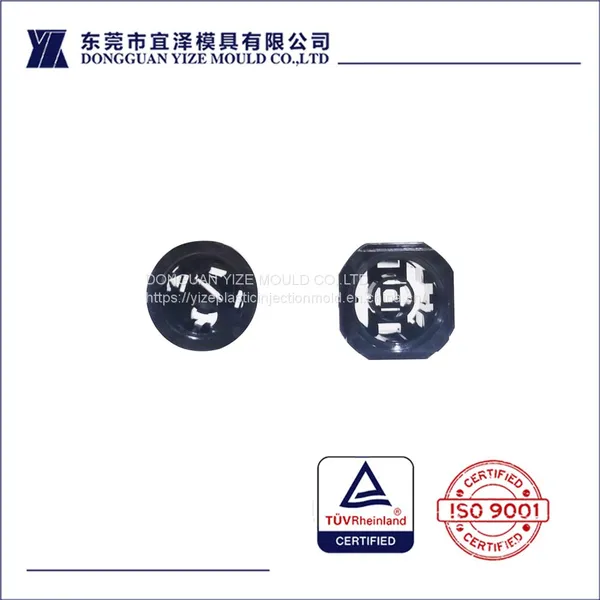
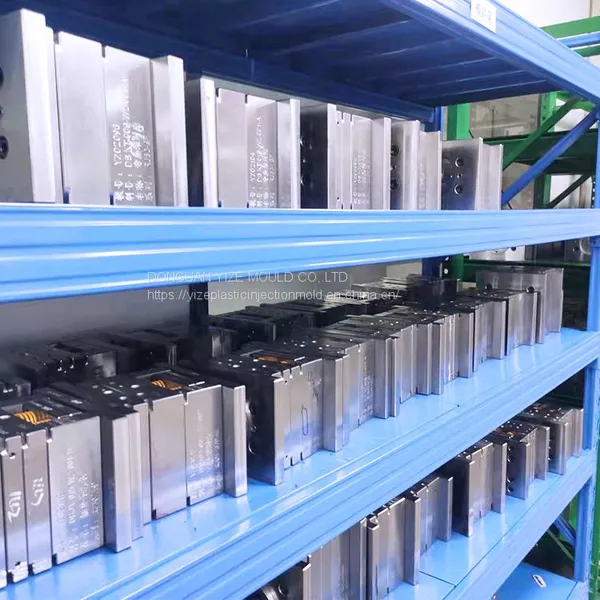
Sumitomo Pcb Connector Mould Housings Terminals and Accessories With ISO 9001 CertificationUS$ 50 - 210MOQ: 1 Pair
-
Hybrid Sumitomo Connector Mould Automotive & Components With ISO 9001 CertificationUS$ 50 - 210MOQ: 1 Pair
-
Sumitomo Pa66 Gf35 Connector Mould for Vehicle With ISO 9001 CertificationUS$ 50 - 210MOQ: 1 Pair
-
Hybrid-type Sumitomo Pa66 Gf35 Connector Mould With ISO 9001 CertificationUS$ 50 - 210MOQ: 1 Pair
-
Sumitomo Pa66 Gf35 Connector Mould With High Temperatures With ISO 9001 CertificationUS$ 50 - 210MOQ: 1 Pair
-
Waterproofing Sumitomo Pa66 Gf35 Connector Mould With ISO 9001 CertificationUS$ 50 - 210MOQ: 1 Pair
-
Sumitomo Pa66 Gf35 Connector Mould Harness Components With ISO 9001 CertificationUS$ 50 - 210MOQ: 1 Pair